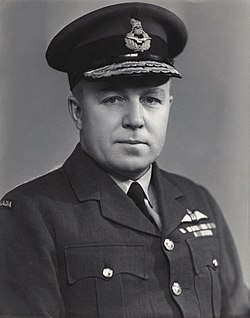

George Owen Johnson was one of Canada’s most accomplished aviators and senior Royal Canadian Air Force leaders. He began his career as a young pilot during the First World War and later became a key architect of Canada’s wartime training system during the Second World War. His life was inseparable from the sky, pilot training, and the expansion of Canada’s aviation infrastructure.
Johnson wasn’t only a combat pilot — he trained hundreds of aircrew, commanded major formations, and left a lasting mark on Canada’s military history. Read more at vancouveryes.
Early Life and First Steps in Aviation
George Owen Johnson was born on January 24, 1896, in Woodstock, Ontario, into a middle-class family that valued education and discipline. As a child, he was fascinated by machinery and early flying experiments. He devoured books about aviation and followed news about emerging aircraft technologies.
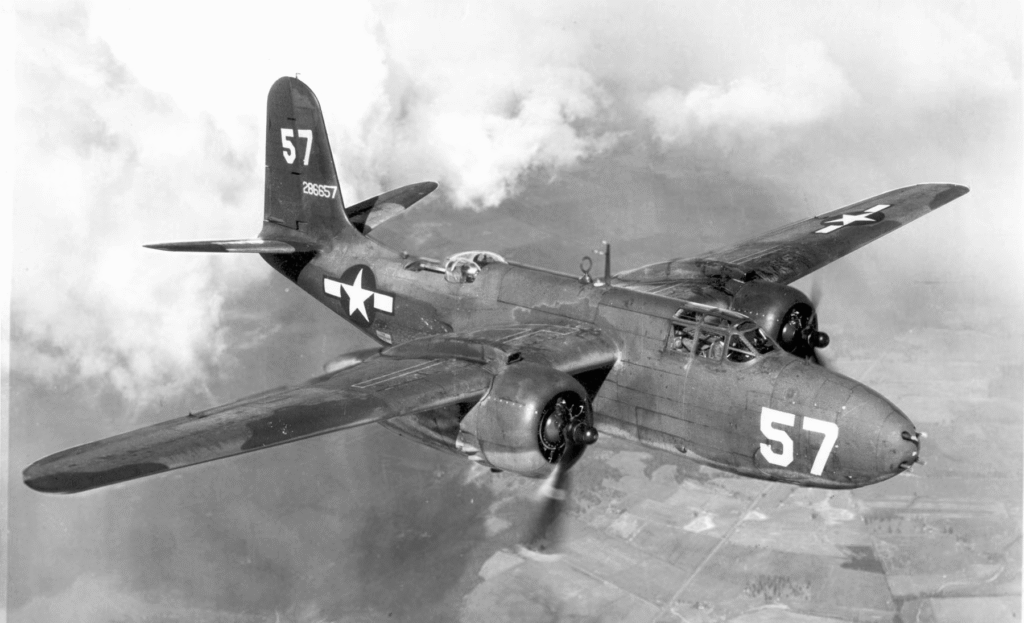
In school, he was known for precision and diligence. After graduating, he joined the local Cadet Corps, where he gained his first military skills. By 1913, Johnson was training with the Royal Naval Air Service, and when the First World War began, he transferred to the Royal Flying Corps. There he learned to fly light single-seat aircraft, quickly mastering basic manoeuvres and earning his pilot’s certificate before joining an operational unit.
These early years laid the foundation for his future career. Johnson learned not only how to fly but how to plan missions, assess risks, and maintain aircraft. This discipline stayed with him throughout his life and earned him a reputation as a responsible and highly skilled pilot.
Experience in the First World War
After completing his training, Johnson was posted to No. 84 Squadron RAF. He flew the SE.5a, a fast and agile single-seat fighter used for bomber escort and air-to-air combat. His first missions were training flights near the front, but soon he was taking part in full combat operations over France.
During the war, Johnson achieved 11 confirmed aerial victories, downing enemy aircraft and observation balloons. He relied on precise manoeuvres and careful control of altitude to gain the upper hand in dogfights. He also carried out reconnaissance flights and frequently coordinated attacks with fellow pilots.
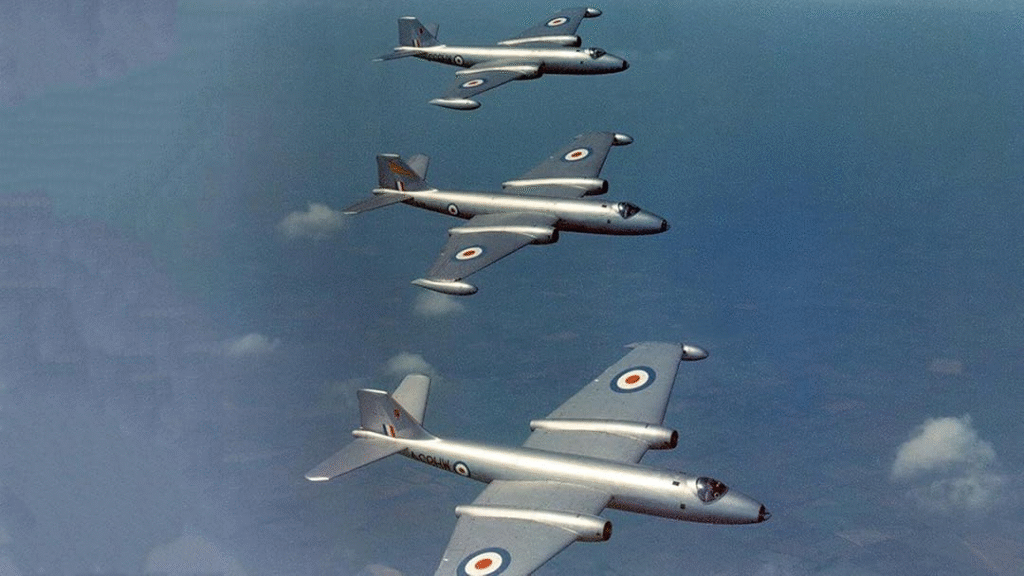
His bravery earned him several decorations: the Military Cross for courage in air combat, the Croix de Guerre from France for his actions on French territory, and the Légion d’honneur for his contribution to Allied operations. Each award recognized specific missions or a series of successful engagements.
These intense years shaped his character. He learned to evaluate threats quickly, stay calm under pressure, and make split-second decisions — all skills that would define his leadership during the next war.
The Interwar Years and Aviation Training Development
After the First World War, Johnson returned to Canada and joined the Air Board, the federal body responsible for developing aviation. He planned flight operations, established new air routes, and supervised the training of young pilots. He also supported the growth of civil aviation by helping organize air mail routes, new aerodromes, and aerial mapping projects across Canada.
Throughout the 1920s and 1930s, he commanded several air stations, including Winnipeg and Ottawa. He oversaw instructor teams, shaped flight-training programs, and supervised aircraft maintenance. To advance his professional training, Johnson attended the RAF Staff College in Andover and the Imperial Defence College in London, where he studied strategy, organization, and personnel development.
During this period, Johnson helped shape the first generation of Canadian pilots. He created training curricula, set flight standards, and frequently led hands-on instruction. His methods emphasized flight safety, weather preparedness, air combat fundamentals, and risk assessment.
His work formed the backbone of what would later become the British Commonwealth Air Training Plan (BCATP), one of the largest aircrew-training programs in history.
The Second World War and Leadership in the RCAF
In 1939, at the outbreak of the Second World War, Johnson took on a key role in the RCAF, overseeing personnel training across Canada. He developed new instructional programs and coordinated the rapidly expanding network of flight schools. Later, he became Deputy Chief of the Air Staff, responsible for organizing combat units and managing aviation logistics.
In 1942, he was appointed commander of No. 1 Training Command, a central element of the British Commonwealth Air Training Plan. Under his leadership, dozens of new flying schools were established, training aircrew on everything from basic trainers to advanced fighters. He set training standards, evaluated instructors, and ensured that students were fully prepared for operational service.
In 1943, Johnson became head of the Eastern Air Command, responsible for air defence along Canada’s Atlantic coast. He oversaw coastal patrols, anti-submarine operations, and coordination with American and British forces. He also supervised joint-squadron training and leadership preparation for officers deploying overseas.
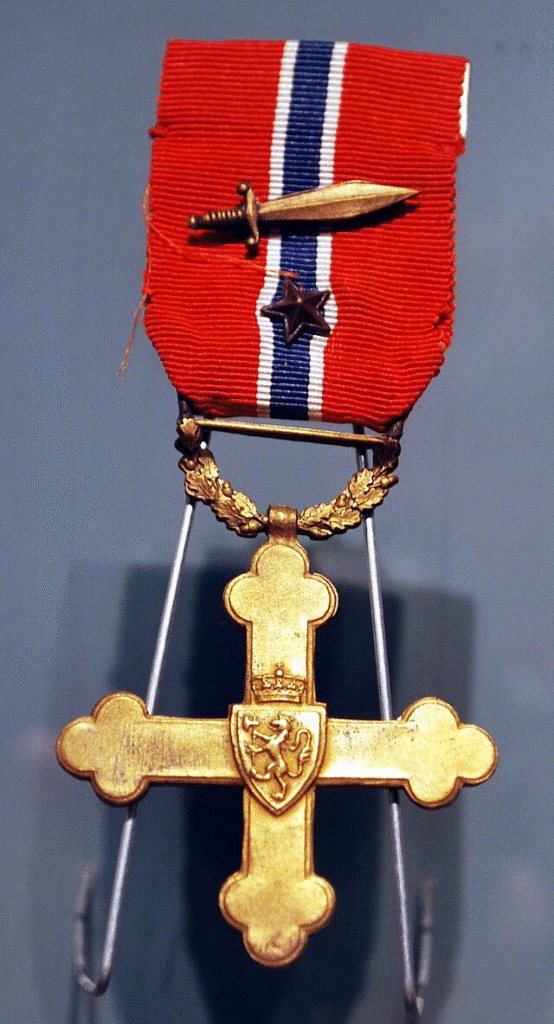
For his wartime service, Johnson received several international honours, including the U.S. Legion of Merit for his role in Allied training cooperation and the King Haakon VII’s Freedom Cross from Norway for supporting joint operations in northern Europe.
Throughout the war, Johnson remained deeply involved in pilot training. He visited schools, reviewed flight exercises, and personally monitored the introduction of new training methods. His First World War experience was crucial for shaping an effective training system that strengthened Canada’s air power.
Post-War Life and Legacy
After the war, Johnson retired and settled in Vancouver. Life became quieter, but he remained active in the military community. He attended veterans’ gatherings, took part in commemorative ceremonies, and supported youth flying clubs.
He worked closely with local military organizations and aviation schools, mentoring young pilots and instructors. Johnson often shared insights on flight planning and safety, helping shape a new generation of aviators across British Columbia.
His name lives on in Canadian aviation history. Museums across the country display his medals, photographs, and personal items. A training institution — the Air Marshal Johnson School — honours his contributions, helping young cadets learn about Canada’s air force heritage and the training methods he helped develop.
George Owen Johnson’s influence on Canadian aviation is undeniable. His training standards and instructional methods guided pilot preparation for decades. In Vancouver and beyond, he was remembered not only as a wartime hero but also as a mentor and an architect of Canada’s modern air-training system.
Sources:
- https://theaerodrome.com/aces/canada/johnson2.php
- https://www.blatherwick.net/documents/Commanders%20Royal%20Canadian%20Air%20Force/02%20-%20Officers%20Commanding%20and%20Sr%20Air%20Officer%20RCAF%201924%20to%201934.pdf
- https://www.blatherwick.net/documents/General%20%26%20Flag%20Officers%20WWI%20and%20WWII/04%20RCAF%20Air%20Officers.pdf
- https://www.canada.ca/content/dam/themes/defence/caf/militaryhistory/dhh/official/book-1945-rcaf-year-5-en.pdf