
One of the most notable former bases near Vancouver is CFB Chilliwack. Across Canada, it’s remembered often — especially by those who served there or grew up beside the military grounds. For decades, the area trained military engineers, young officers, and those just beginning their careers. It produced people who would later build roads in crisis zones, clear landmines, and work on the frontline in some of the most demanding environments. The base became part of local identity, and many residents still call it “the old military grounds”, even though the site is now home to residential neighbourhoods and education campuses.
And yet, CFB Chilliwack never disappeared completely. Training can still be heard on the surrounding ranges, museums preserve its stories, and among veterans, it remains the place where many began their military journey. That’s why it’s worth returning to the base’s history to understand how it shaped Chilliwack — and what legacy it left behind. Read more at vancouveryes.
Founding of the Military Base
As Canada began preparing for potential attacks on the West Coast, the federal government decided to develop new military infrastructure in British Columbia. The area near Chilliwack was chosen quickly. Its flat terrain, proximity to the Vedder River, and easy access to the highway and railway made it ideal for hosting large units without major limitations. In February 1942, Camp Chilliwack opened, and the first soldiers arrived almost immediately after the initial construction phase.
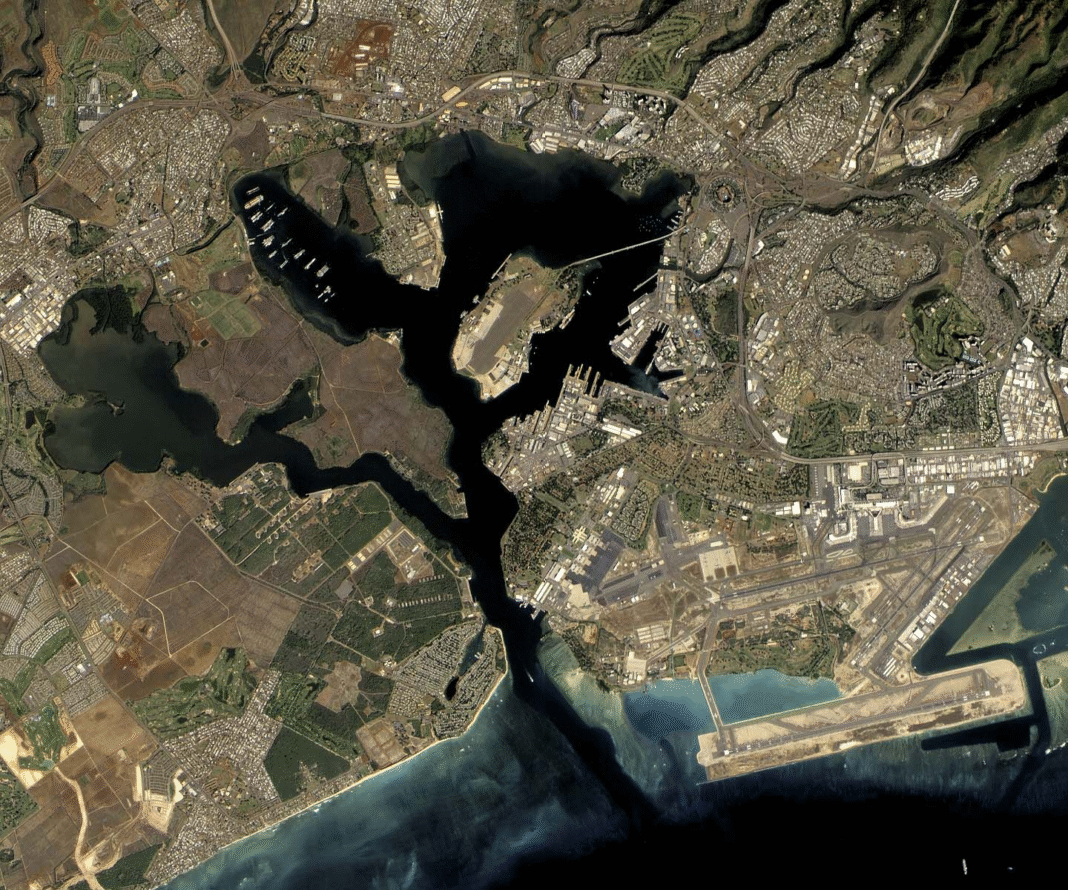
During the first years, instructors trained infantry destined for domestic service and overseas deployment. Soldiers learned marksmanship, tactics, field movement, and operating in forested terrain. Some trainees were prepared specifically for strengthening the defence of the Pacific coast, as fears of a repeat of Pearl Harbor were still very real in Canada.
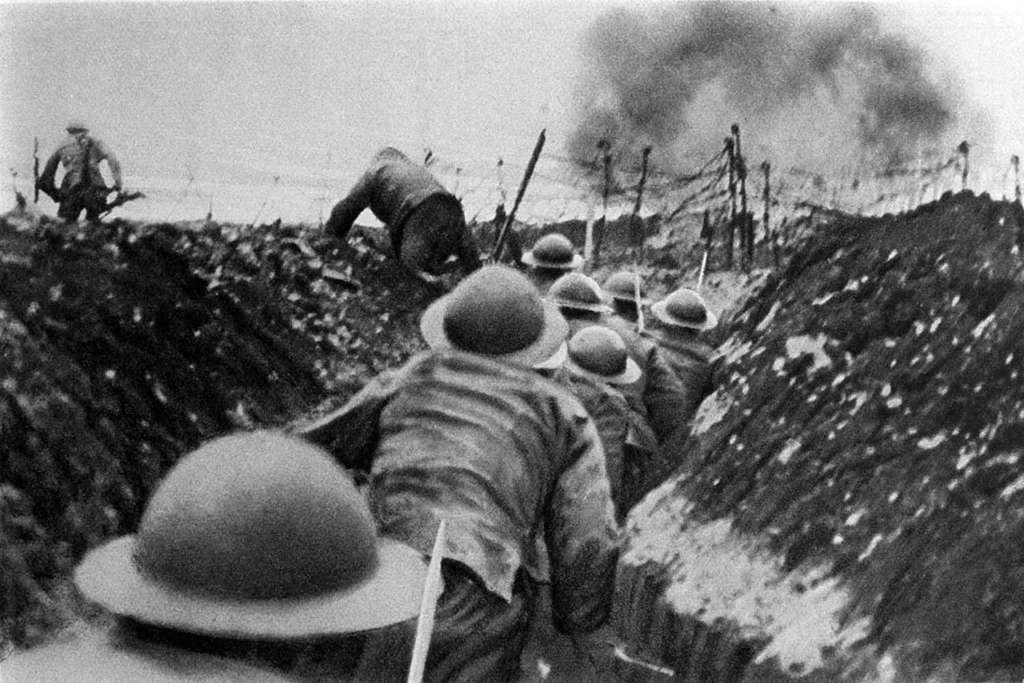
At the same time, the camp grew rapidly. Workers built new barracks, the kitchen received its own dedicated building, and the medical station operated around the clock. Nearby, crews set up firing ranges, obstacle courses, and training fields for tactical exercises. Many of the structures went up quickly — sometimes with minimal comfort — but the infrastructure was more than enough to train thousands of recruits each year.
During these early years, the first engineer units also served at Chilliwack. They conducted field practice in bridge building, fortification construction, and handling explosives. This marked the beginning of the base’s engineering specialization, which later became its defining role. Reservists, officer candidates, and newly enlisted soldiers from across the country also trained here before being posted to other units.
The period between 1942 and 1950 laid the foundation for everything Canadians later associated with CFB Chilliwack — a fully functioning training centre where discipline, combat skills, and early engineering schools took shape and grew into national institutions.
Key Training Schools
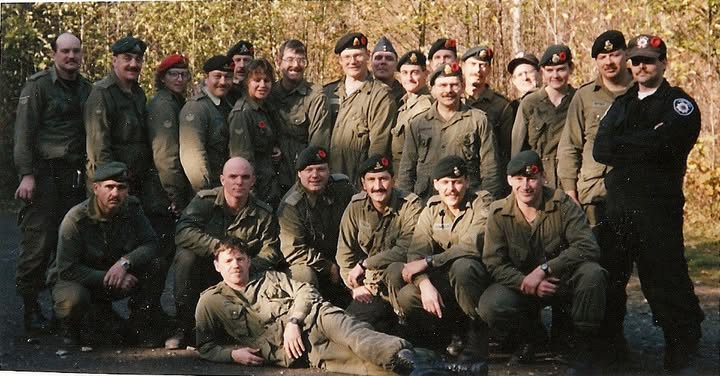
After the Second World War, the base shifted toward engineering and officer training. In 1951, the Canadian Forces School of Military Engineering was established on site. It trained soldiers and officers in bridge construction, fortifications, explosive ordnance, and other engineering operations. Courses combined classroom instruction with hands-on training across Chilliwack’s extensive ranges.
From the 1970s through the 1980s, the base was also home to the Officer Candidate School. Trainees learned tactics, leadership, and logistics, preparing for their first command roles. Their program blended field exercises, classroom work, and scenario-based training designed to simulate real operational challenges.
Through these decades, CFB Chilliwack became the primary engineer training centre in Western Canada. It developed professional skills, discipline, and combat readiness that later supported operations across the country and in international missions. The base hosted permanent engineer, artillery, and infantry training units, as well as numerous ranges and tactical fields — making it one of Canada’s key military sites in the second half of the 20th century.
Closure of the Base
After the end of the Cold War, Canada began reducing military spending. Several bases and units were slated for closure, and CFB Chilliwack was included due to shifting training priorities and its geographic location.
The drawdown began in the early 1990s. Individual schools were shut down, and several units were relocated to other bases in British Columbia. Engineering elements moved to training areas near Vancouver and to CFB Edmonton. Some infantry components were reassigned to regular brigades. Officer candidates were sent to other training institutions to complete their programs.
For local residents and civilian employees, the closure was a major blow. Hundreds of jobs disappeared, the local economy slowed, and the surrounding area began to change. Many barracks and service buildings were closed and prepared for future civilian use, while the ranges remained accessible only for limited reserve training.
Officers and soldiers received new postings, though some units continued to operate on the Chilliwack ranges under Area Support Unit Chilliwack until 2013. Portions of the infrastructure were gradually repurposed for educational programs and civilian training centres, but large-scale military activity declined significantly.
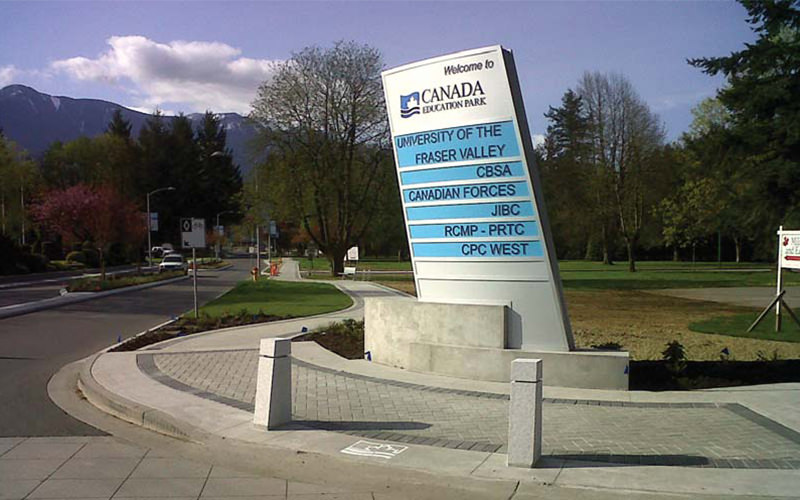
The closure reshaped Chilliwack. Former barracks and service buildings were replaced by new roads and housing. Part of the site eventually became Canada Education Park, home to university campuses and specialized training institutions. Still, the base’s legacy lives on through museums, plaques, and community memory.
Transformation and Modern Use
After the base shut down, most of its land was transferred to the Canada Lands Company. Redevelopment began on former barracks and administrative structures, giving rise to a new neighbourhood known as Garrison Crossing. Several original buildings were preserved and adapted for community and educational use.
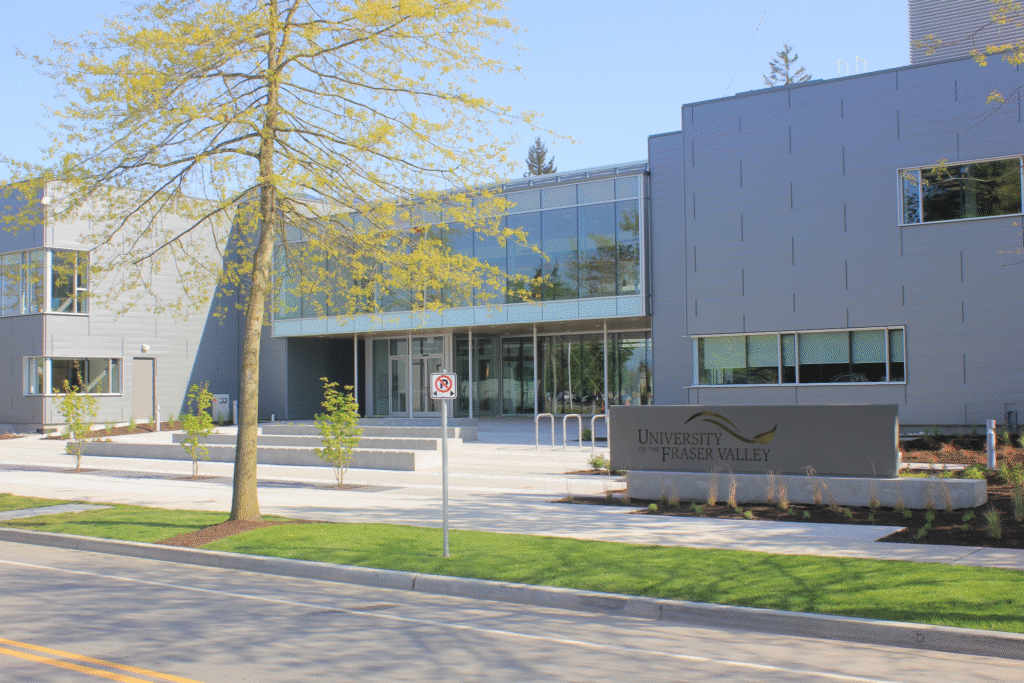
Another section of the property became Canada Education Park, now home to the University of the Fraser Valley, police and firefighting academies, and several specialized training centres for civilian and military programs. Former barracks were converted into classrooms and offices, and the road network and utilities were modernized. The area also gained new housing, sports facilities, and youth training facilities — a complete reinvention of what once was a major military hub.
Did Any Military Presence Remain?
Some training areas and ranges were preserved, including Vokes Range, the Chilcotin Training Area, Vedder Mountain, and several smaller sites. Until 2013, Area Support Unit Chilliwack continued to coordinate reserve training and support activities on these lands.
Today, military personnel, cadets, and specialized units still use parts of the former base for shooting practice, tactical exercises, and engineering training. While activity is far less intensive than during the base’s operational peak, the area still plays a role in regional military training.
Sources:
- https://www.veterans.gc.ca/en/remembrance/memorials/canada/chilliwack-saluting-base
- https://www.businessinchilliwack.com/canada-education-park
- https://www.ufv.ca/media/assets/campus-planning/pdfs/UFV-Chilliwack-Campus-Plan.pdf
- https://archive.nationaltrustcanada.ca/sites/www.heritagecanada.org/files/magazines/2004/winter/Winter2004_Military.pdf