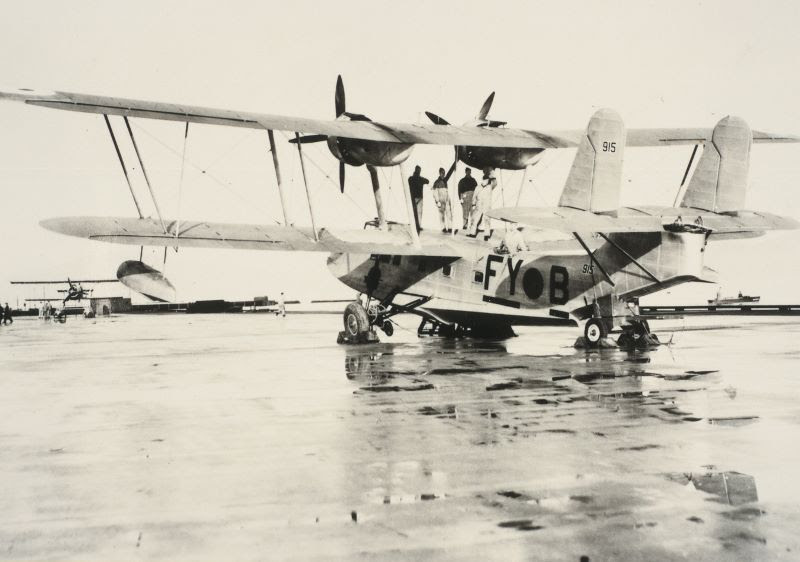

In the 20th century, RCAF Station Jericho Beach was one of Vancouver’s key military sites. Flying boats patrolled the Pacific every day, while pilots and ground crews repaired aircraft and prepared for new missions. News from Hong Kong and Pearl Harbor kept the city on edge, and military families supported the war effort by volunteering, collecting metal, warm clothing, and donations. Children went to overcrowded schools, women worked in shipyards, and teenagers helped with deliveries. Meanwhile, Jericho Beach set the pace of daily life — a place where every routine on the base showed how the war was reaching the Pacific Coast. Read more at vancouveryes.
History and Early Development
In 1920, the Vancouver Air Station opened along the shoreline. It was home to flying boats, with crews responsible for patrolling the coast and local rivers. Pilots monitored marine routes, inspected fishing areas, and helped track smuggling activity. The station also offered essential transport to remote communities across British Columbia, delivering mail, medicine, and supplies.
In the early years, the staff consisted of only a handful of pilots and mechanics. Aircraft operated directly from the water, undergoing regular repairs in the docks and workshops. The first training programs were introduced, teaching new pilots how to operate flying boats and develop ocean-watching skills.
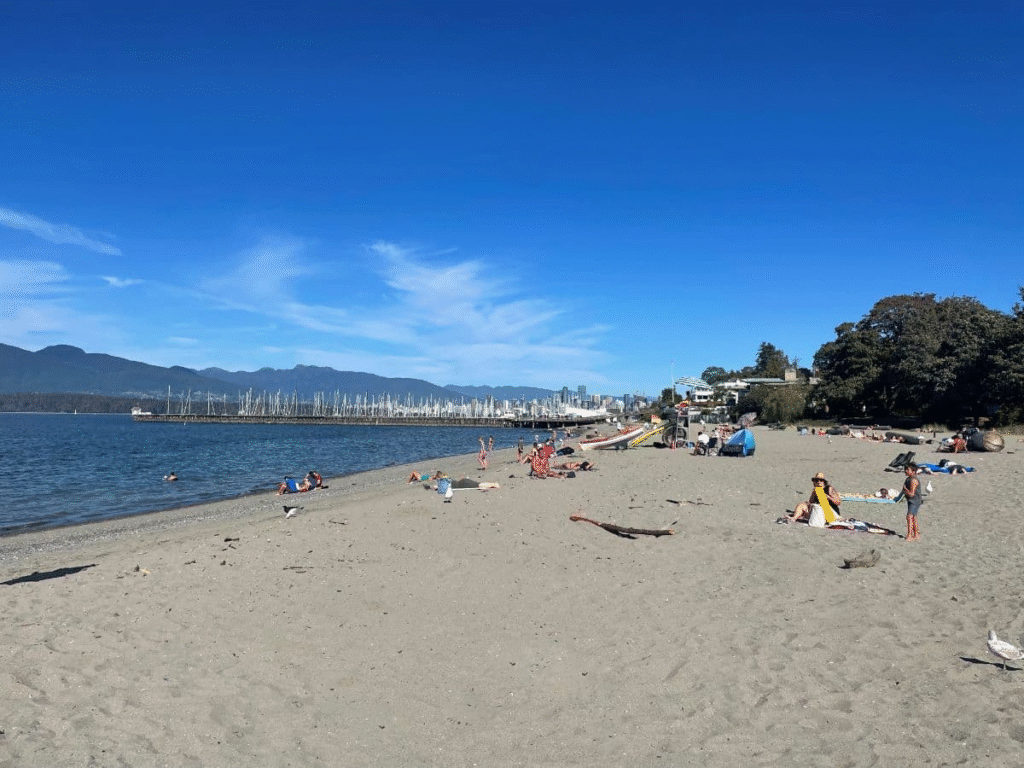
By the mid-1930s, the station had come under the control of the Royal Canadian Air Force. New squadrons were formed here — including No. 4 and No. 6 Squadrons — both preparing for patrol and coastal defence duties. Pilots received reconnaissance equipment, trained to identify suspicious vessels, and learned how to coordinate with other military posts along the West Coast.
Jericho Beach quickly became a strategic hub. New aircraft arrived, workshops expanded, and barracks were built for growing personnel. Day after day, the base followed a steady rhythm of repairs, training, patrols, and observation — all crucial to the safety of the Pacific coastline.
Units Stationed in 1941
In 1941, several squadrons operated out of Jericho Beach, with No. 4 Squadron and No. 6 Squadron as the primary units. Pilots conducted daily patrols, training flights, and reconnaissance missions over the Pacific. Different types of flying boats were used, each with a specific role.
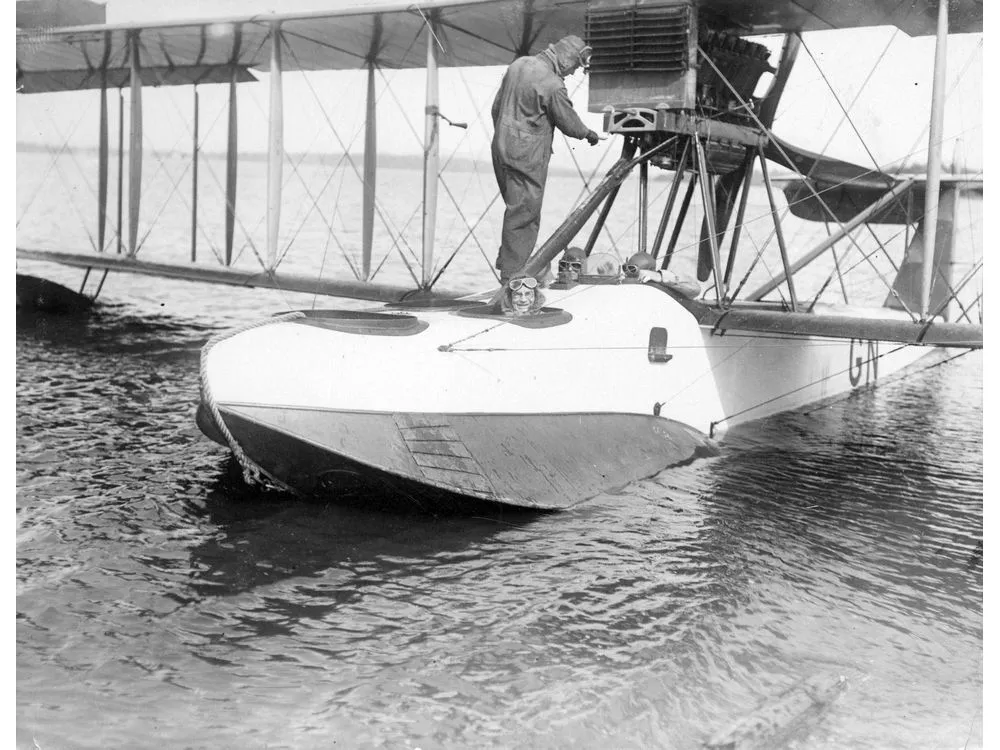
The Supermarine Stranraer handled long-range patrols lasting several hours, observing marine traffic far from shore. The Blackburn Shark was used for short reconnaissance flights, crew training, and testing new observation tactics. The Canadian Vickers Vancouver served as a transport aircraft, delivering mail, cargo, spare parts, and equipment between bases — and supporting coastal monitoring.
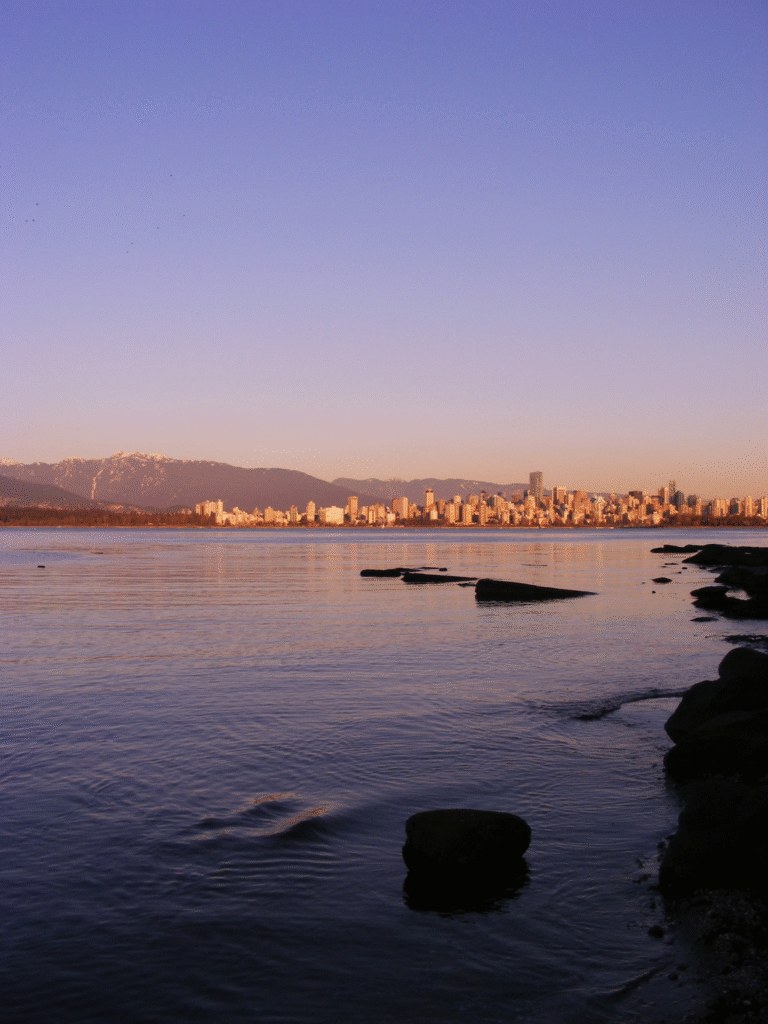
Every aircraft underwent daily inspections. Mechanics checked engines, wings, hydraulics, and fuel systems, while workshops carried out major repairs after flights. Crews practiced takeoffs and landings on water, honed their observation accuracy, and learned to relay signals quickly to the command post. Pilots were also trained to coordinate multi-aircraft missions, work alongside patrol vessels, and maintain constant communication with Western Air Command.
New recruits — young pilots and technicians — regularly arrived at the station. They were quickly integrated into squadron life and trained not only to fly but also to repair engines and equipment, carry out patrol duties, and respond to emergencies.
Daily operations were intense. Aircraft went out several times a day, crews tested new routes, and workshops worked late into the evening preparing for the next flight. This level of readiness kept the station fully operational during the most demanding years of the Second World War.
Role in Coastal Defence
Beyond routine patrols, the base also played a vital role in search and rescue missions. When an aircraft or boat was in trouble, crews were dispatched immediately. This constant state of alert shaped everyday life on and around the station.
Local residents saw aircraft lifting off at dawn, heard engines echoing from the docks, and understood that the safety of the West Coast depended on the work happening at Jericho Beach.
Life on the Base
Pilots, mechanics, and support staff all had different responsibilities. Pilots performed daily checks, practiced water landings, and prepared for patrols. Technicians repaired engines, fittings, and hydraulic systems. Support crews managed fuel supplies, spare parts, ammunition, and all essential equipment needed to keep the flying boats mission-ready.
The base maintained close ties with the city. Vancouver’s transport companies moved personnel and cargo; local stores and warehouses supplied food and materials; hospitals handled injuries and illnesses. Volunteers from nearby communities brought warm clothing, medicine, and food for the families of service members.
Neighbourhoods around the base felt the constant motion — busy streets, guest-filled homes, and new workers arriving to support the growing wartime infrastructure. Jericho Beach shaped the rhythm of these districts, with engine noise, workshop activity, and steady traffic reflecting the military presence that safeguarded the coastline.
Mobilization and Wartime Support
During the war, Jericho Beach operated under continuous mobilization. New pilots, mechanics, and navigators were trained under demanding schedules: early wake-ups, long coastal patrols, constant training flights, and rigorous technical inspections. Crews practiced coordinated missions even in difficult weather.
The civilian community played a crucial role. Military families and Vancouver residents supported the station and the wider war effort. Scrap metal drives helped supply raw materials; people donated clothing, food, and funds. Women formed volunteer committees that sewed garments, prepared food packages, assisted in kitchens, and took on administrative duties. This cooperation gave service members both material and emotional support — something essential in wartime.
Post-War Legacy of the Base
RCAF Station Jericho Beach was officially closed in 1969, and the land was transferred to the City of Vancouver. Many former barracks and workshops were removed, and the open areas became Jericho Park, featuring walking paths, green spaces, and picnic areas. A sailing centre was later opened on the waterfront. Former flying-boat hangars were converted into yacht storage and classrooms for marine schools.
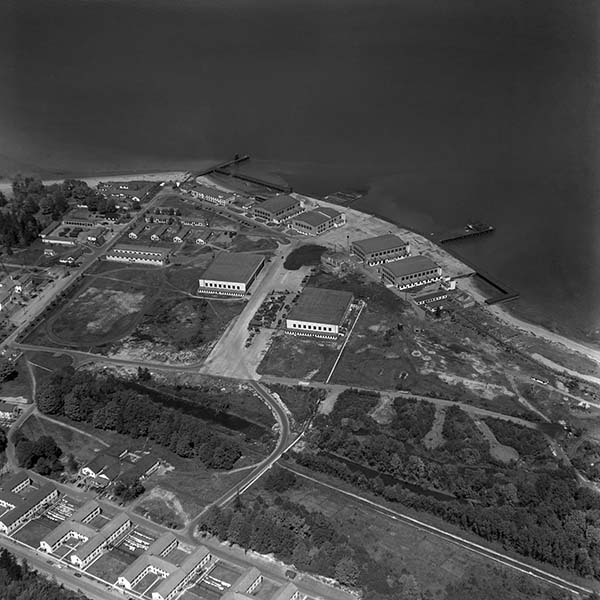
Memorial plaques and historical markers now remind visitors of Jericho Beach’s essential role in coastal defence during the Second World War. From 1940 to 1945, pilots, mechanics, and support staff carried out daily patrols, night alerts, and crucial missions that shaped Vancouver’s wartime history.
Today, residents and visitors still come to this place — walking past the remnants of old docks, observing shoreline structures, and imagining the flying boats that once lifted off from the water to patrol the Pacific.
Sources:
- https://jsca.bc.ca/2019/11/11/november-11-remember-the-jericho-beach-air-station-2
- https://jsca.bc.ca/2015/11/07/remembering-the-jericho-beach-air-station
- https://placesthatmatter.ca/location/jericho-arts-centre
- https://www.navalreview.ca/wp-content/uploads/CNR_pdf_full/cnr_vol11_2.pdf
- https://www.canadianoutrigger.ca/wp-content/uploads/2021/01/The-Jericho-Legacy-Latest.pdf