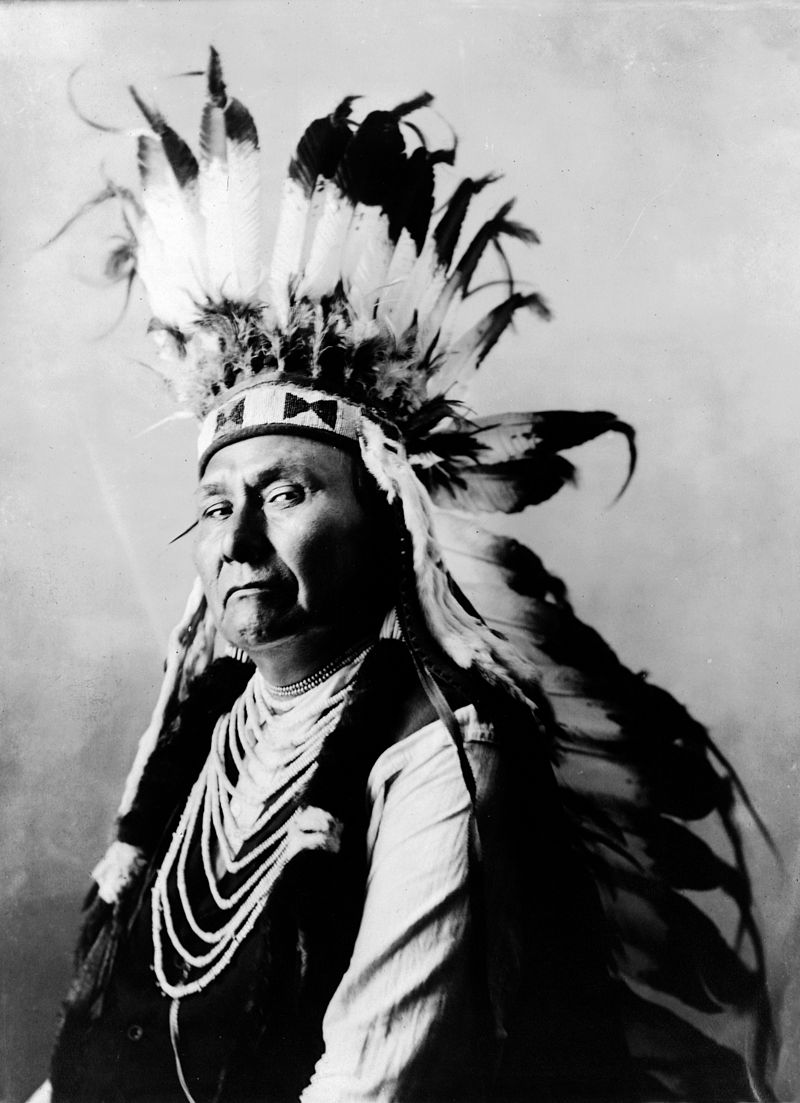

The Battle of Woody Point, as history enthusiasts refer to it, was a significant and tragic event in the western part of Canada during the summer of 1811, according to vancouveryes. This incident involved the indigenous Tla-o-qui-aht people and the American trading ship Tonquin. The ship had anchored near Vancouver for fur trading, but it was ultimately seized by the indigenous group, resulting in the deaths of many crew members.
Though it may not fully qualify as a traditional battle, historians prefer to term it as such due to its historical impact. Below is a detailed account of this grim episode in Vancouver’s history, referencing historylink.org.
Arrival of the Ship
On March 22, 1811, the Tonquin, commanded by Lieutenant Jonathan Thorn, anchored near Vancouver to trade furs with the local indigenous tribes.
The ship’s crew, consisting of 23 men and armed with approximately 10 cannons, began exploring the region for high-quality fur. Though the Tonquin flew the American flag, many crew members were British subjects.
Two weeks after its arrival, the ship commenced trade with the Tla-o-qui-aht tribe.
The Insult
On June 14, 1811, the Tla-o-qui-aht chief boarded the ship, presumably to negotiate the sale of sea otter pelts.
However, Lieutenant Thorn dismissed the offered price, throwing each inspected pelt back at the chief. This act deeply offended the leader, prompting him to leave the ship immediately.
Later that night, a local woman boarded the Tonquin to warn Thorn of an impending attack planned by the tribe. Thorn dismissed her warning until morning, when he observed warriors gathering along the shore.
The Fatal Mistake
Uncertain about the tribe’s intentions, Thorn allowed a canoe carrying 20 indigenous men to approach the ship. A second canoe, carrying more individuals, followed.
Feigning interest in selling furs at a reasonable price, the Tla-o-qui-aht boarded the ship, hiding weapons beneath their garments.
Thorn, misled by their intentions, ordered the anchor and sails to be raised. At that moment, the Tla-o-qui-aht chief signaled for the attack to commence.
The unarmed crew, whose weapons were stored below deck, stood no chance against the attackers armed with clubs and knives. Thorn and most of his crew were killed almost instantly. Only a few members managed to survive the assault.
That night, the Tla-o-qui-aht warriors retreated to the shore.
Escape Attempt
The five surviving crew members discussed potential escape plans but lacked a feasible way to operate the ship with so few men. They ultimately decided to flee using the ship’s skiff, a small open boat.
The Explosion
One severely injured crew member, named Weeks, stayed aboard the ship. The next morning, the Tla-o-qui-aht returned to loot the vessel.
As the plundering began, Weeks ignited the ship’s powder magazine, resulting in a massive explosion that killed him along with many Tla-o-qui-aht warriors.
A Painful Death
The four sailors who fled in the skiff were caught by a storm and washed ashore, where they were captured by the Tla-o-qui-aht.
In retaliation for the deaths of their tribesmen, the indigenous people subjected the sailors to slow and painful torture. Only one crew member survived, becoming the slave of a Tla-o-qui-aht woman.
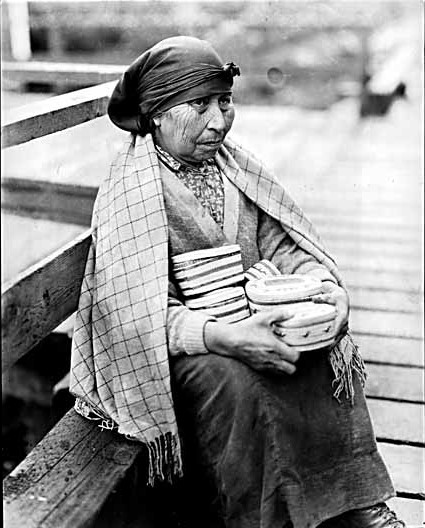
The Battle of Woody Point remains a poignant reminder of the complex and often violent interactions between indigenous peoples and foreign traders during this era.