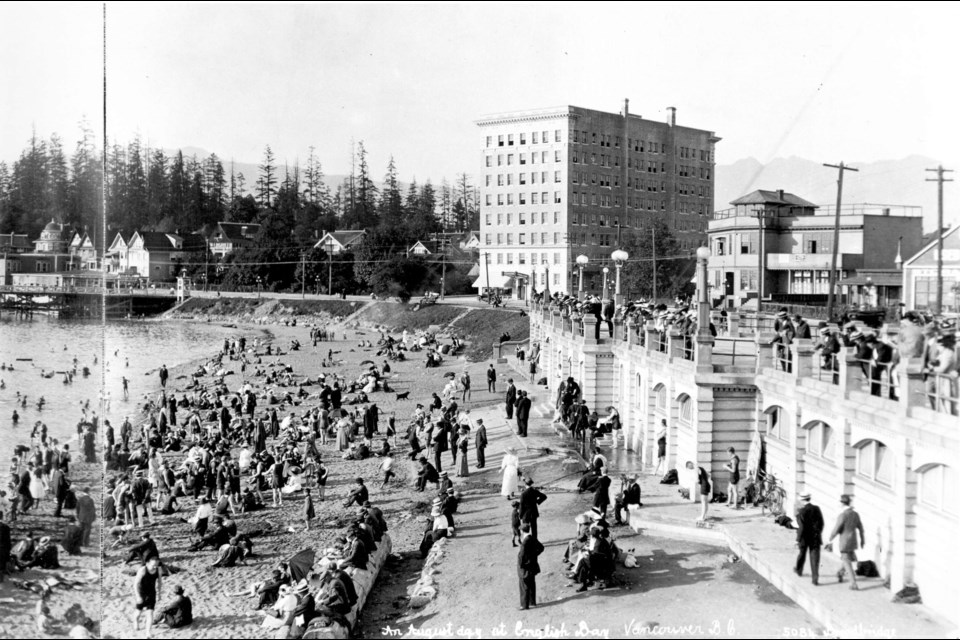

As early as World War I, Vancouver’s residents raised funds for soldiers and their families, sewed clothes, and sent food packages overseas. During World War II, Red Cross volunteers once again organized drives and charity fairs. After the war, Vancouverites welcomed refugees arriving from Europe. In later decades, they supported those affected by conflicts in Vietnam, the Balkans, and other regions. Today, this tradition continues—especially through aid to Ukraine, as the city’s community has united to help people fleeing the war. More at vancouveryes.
Charity in the War Years of the 20th Century
During World War I, several charitable committees operated in Vancouver. The main one was the local branch of the Canadian Patriotic Fund, which raised money for soldiers’ families. Donations came from residents, concerts, and city fairs. Local newspapers regularly published the names of donors to inspire others. Schoolchildren donated coins and collected food; women sewed warm clothing for soldiers, and church groups prepared care packages.
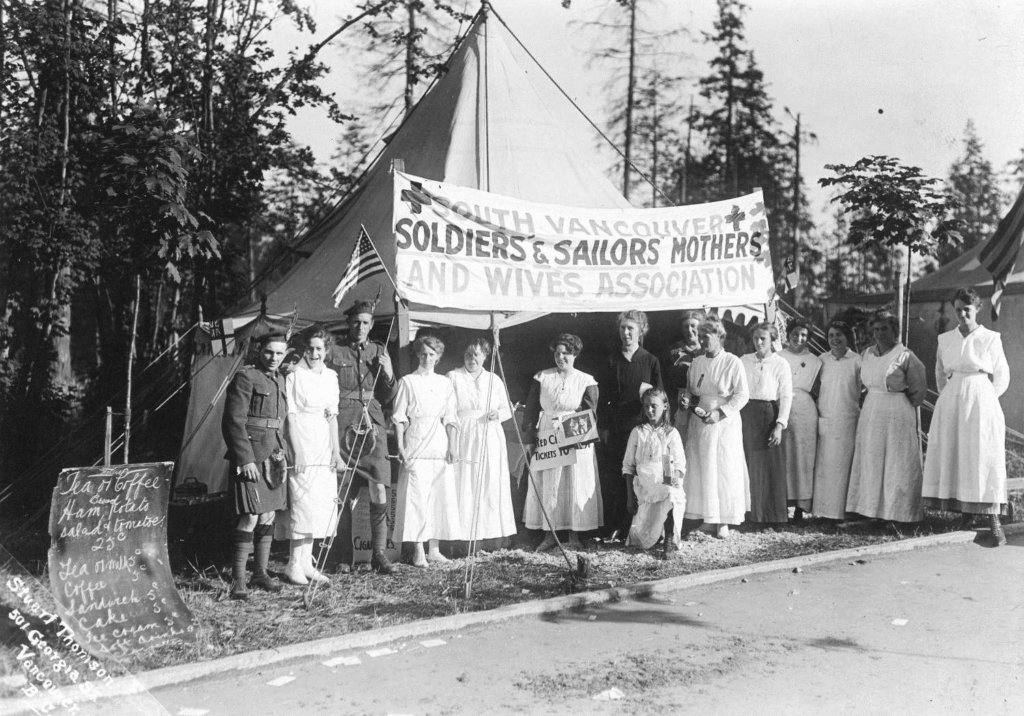
During World War II, volunteer activity in the city grew significantly. The Canadian Red Cross set up blood donation stations and sent medical kits to Europe. School buildings and libraries were used to pack parcels for soldiers. Charity concerts were held in city theaters and halls, with proceeds directed to military aid funds. Women’s clubs formed support groups that sewed uniforms, knitted socks, and made bandages. In the ports, Vancouverites welcomed the wounded, helped them find housing, and recover from the front. Veterans’ centers, staffed by volunteers around the clock, operated under city organizations.
It was during these years that charity became a part of everyday life in Vancouver. People understood that helping the army and those in need depended on everyone. This habit of giving remained long after the war ended.
Postwar Era: Helping Refugees and Rebuilding Lives
After 1945, the first trains and ships from Europe began arriving in Vancouver. People fled bombed cities, displaced persons camps, and occupied territories. They were met at Canadian ports by Red Cross volunteers, church representatives, and community activists. Aid stations at train stations distributed food, clothing, and blankets. Temporary shelters were set up across the city, often housing families with children who had lost everything during the war. Many Canadians opened their homes to refugees until they found work or permanent housing.

Local churches organized language classes and counseling to help newcomers settle. Among the arrivals were orphans and teenagers who had survived the war alone. Special care programs were created for them in Vancouver—some were adopted by local families, while others were placed in communities across British Columbia. The Canadian Red Cross and Catholic missions coordinated these resettlements with the government.
In the 1950s, new refugee groups arrived—Hungarians, Czechs, and Poles—welcomed by communities that still remembered the postwar years. Youth organizations helped newcomers find work, held fundraisers for furniture and school supplies, and supported their integration. These efforts turned Vancouver into a key hub for resettlement and adaptation in Western Canada, cementing its reputation as a humanitarian center—a place where someone in need would always find a helping hand.
Humanitarian Action in Modern Conflicts
After the Vietnam War, a new wave of large-scale charitable campaigns began. In 1979, Vancouver became one of Canada’s main reception centers for the “Vietnamese boat people”—refugees fleeing by sea after the fall of Saigon. The Canadian government, along with communities across British Columbia, accepted over 60,000 refugees, many of whom settled in Vancouver. Volunteers met families at airports, helped them find housing, and provided clothing and essentials. Many Canadians acted as private sponsors, covering the costs of resettlement.
In the 1990s, the city once again became a center for humanitarian aid—this time for victims of the Balkan wars. Serbian, Bosnian, and Croatian communities in Vancouver organized charity events, peace marches, and humanitarian shipments. During the Kosovo conflict, local branches of the Red Cross and GlobalMedic sent medical supplies, dressings, and water filters. Some volunteers even worked in refugee camps in Southern Europe.
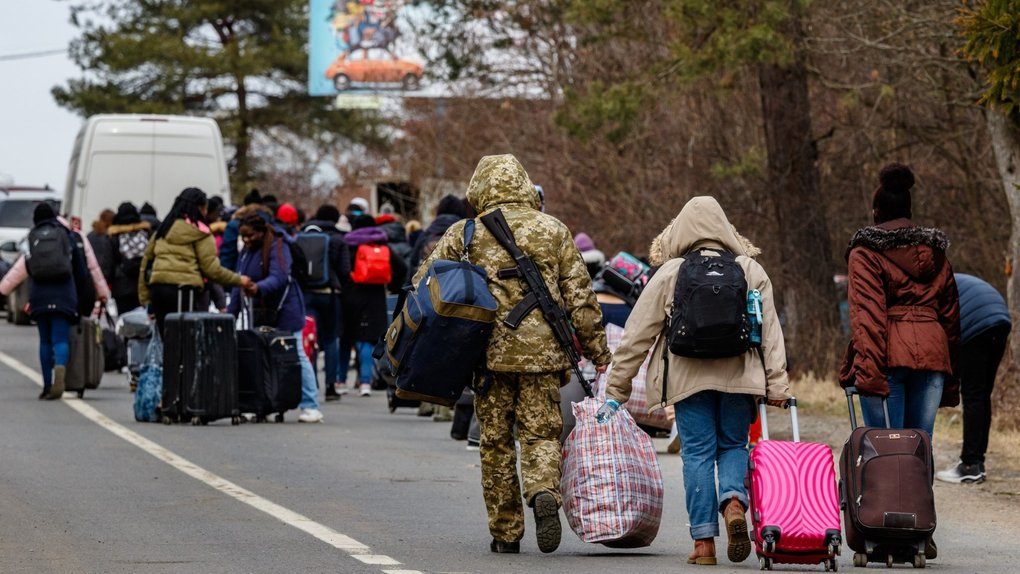
In the early 2000s, charitable work intensified again amid conflicts in the Middle East. The Syrian crisis was particularly significant for Canada. Vancouver residents raised funds to help families escaping from Aleppo and Damascus. Churches opened donation centers for clothing, baby items, and food. Student groups at UBC and SFU organized fundraising campaigns through concerts and online auctions.
By this time, charity had become more organized. Instead of one-time collections, long-term programs emerged. GlobalMedic built a logistics network to send aid quickly to conflict zones. Vancouver doctors joined missions in Lebanon and Iraq, while local schools raised money for first aid kits and educational supplies for refugee children. The city government, volunteers, and non-profits began working together: city councils coordinated housing, community centers offered language courses, and faith groups provided moral and material support. Gradually, Vancouver developed a culture where wartime aid became not an exception but a natural act of humanity.
Vancouver and the War in Ukraine
When the war in Ukraine began in 2014, Vancouver’s Ukrainian community mobilized. The first rallies in support of Ukraine were held, and fundraising began for the army and displaced civilians. The main organizations—Ukrainian Vancouver and AUUC Vancouver—had long supported the city’s cultural life and now turned into volunteer hubs collecting clothing, medical kits, and funds for Ukrainian hospitals. Charity fairs, exhibitions, and concerts were held in local schools and churches.
After Russia’s full-scale invasion in 2022, the scale of aid increased dramatically. Rallies and public events took place almost daily. Thousands gathered with Ukrainian flags outside the Vancouver Art Gallery, while blue and yellow lights illuminated city buildings. Volunteers at Ukrainian Vancouver opened a coordination center to collect and pack humanitarian supplies. In the first few months alone, the group sent over 50 tons of aid—mostly medicines, generators, and protective gear.
Another major initiative, Vancouver Island Supports Ukraine, was founded by residents of Vancouver Island. They united local communities and businesses, raising hundreds of thousands of dollars for medical equipment, thermal cameras, and transport for Ukrainian medics and rescuers. Some shipments went through Polish warehouses, others directly to hospitals in Ukraine.
Support came from far beyond the Ukrainian community. Shops, cafés, universities, and major companies joined the effort. Students at the University of British Columbia organized a charity concert that raised over $100,000. The McArthurGlen Outlet set up a clothing donation point for refugees, and well-known restaurateurs donated part of their profits to humanitarian causes.
As Ukrainian families began arriving in the city, volunteers greeted them at the airport, helped find housing, file documents, and enroll children in school. Catholic and Greek-Catholic parishes hosted English lessons and collected supplies for kids. Canadian families opened their homes to newcomers, while the city government funded adaptation programs.
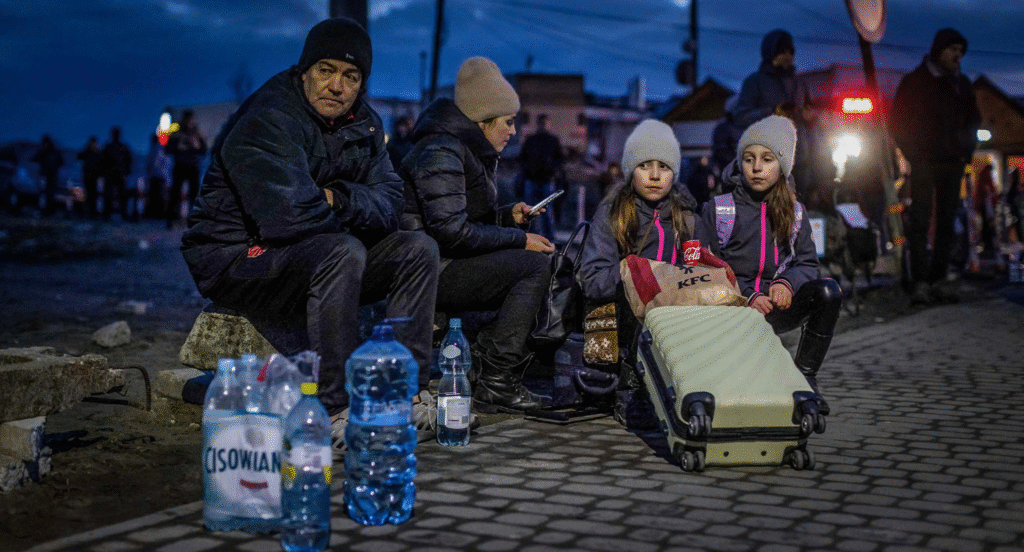
Vancouver has since become one of Western Canada’s main centers of support for Ukraine. Its charitable movement has grown beyond the city, becoming part of a global wave of solidarity. For many residents, this is no longer just about helping a distant country—it’s a personal act of compassion and a powerful reminder of what it means to be part of a shared global community.
Sources: