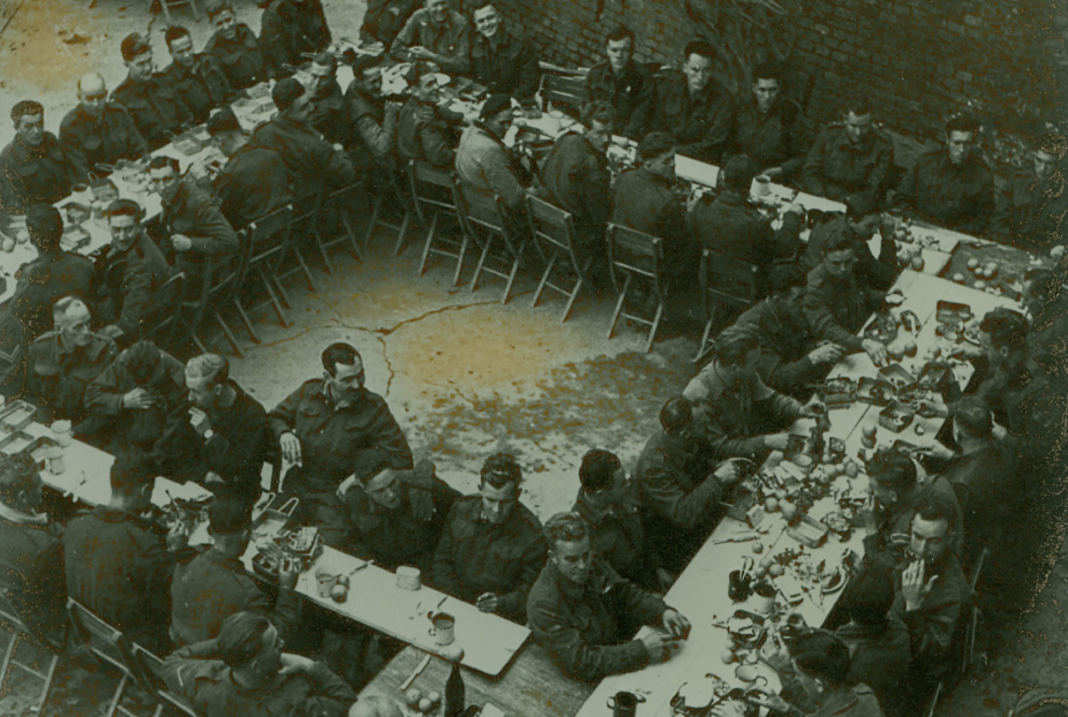

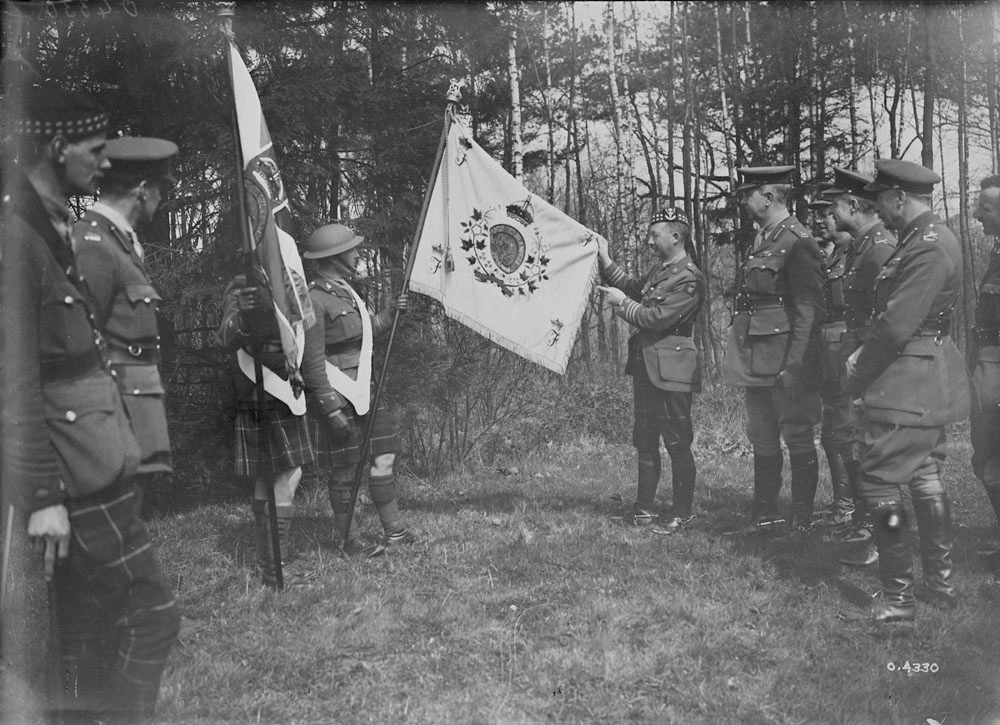
The Seaforth Highlanders of Canada was established on November 24, 1910, by a group of Vancouver residents of Scottish descent. After officially affiliating with the Seaforth Highlanders of the British Imperial Army, the unit was first named the “72nd Highlanders of Canada.” This name was later changed on April 15, 1912, to the “72nd Seaforth Highlanders of Canada,” and again on December 16, 1912, to the “72nd Regiment Seaforth Highlanders of Canada.” They received their first regimental colours in 1912 from the Governor General, the Duke of Connaught. Read more at vancouveryes.
Early Service and Deployment to France
At the start of the First World War, the Regiment offered itself for overseas service, but this offer was not accepted until 1916. Prior to that, 41 officers and 1,637 other ranks were transferred to other Canadian infantry units, notably the 16th Battalion of the Canadian Expeditionary Force (CEF). The Regiment continued its traditions through the 72nd Battalion, which joined the 12th Brigade of the 4th Canadian Division, and the 231st Battalion, which supplied reinforcements for the Canadian Corps at the front. The Regiment finally shipped out to France in 1916 as the 72nd Battalion CEF. Its members quickly established themselves as professional soldiers, especially in carrying out patrols and attacks on enemy trenches.
War Abroad: Courage and Cost
Moving from Vancouver to Great Britain required extensive preparation. Notably, arrangements had to be made for transporting the pipes and drums, as many pipers owned their own instruments, while the drums belonged to the Regiment. Mr. George Thompson, a Distinguished Conduct Medal (D.C.M.) recipient, and Mr. W. M. Crawford, Vancouver businessmen known for their strong Scottish patriotism, helped resolve this issue. Thanks to their support, Major Esson and the Battalion as a whole were able to transport the nucleus of a first-class pipe band overseas.
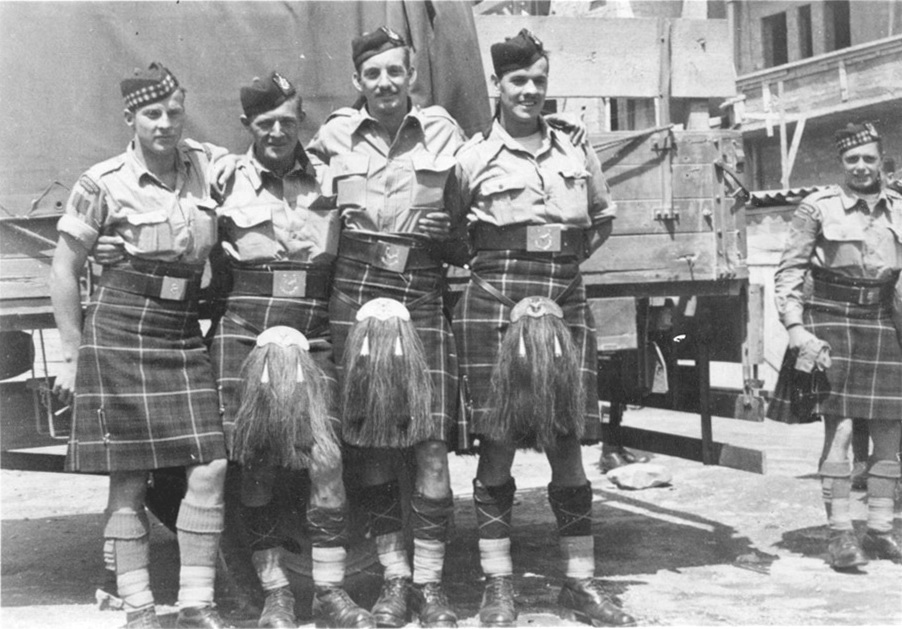
When the Battalion received notice that it would leave the city on two Canadian Pacific Railway (C.P.R.) special trains on the morning of December 15th, Lieutenant D. M. Clark, the temporary Adjutant, prepared a four-page plan of movement the very next day. Everything was ready early on December 15th. At nine o’clock in the morning, the huge doors of the Seaforth Armoury opened. Amidst the roll of drums, the pipers and drummers, playing “Scotland the Brave,” marched the columns of soldiers out onto the street.
The Seaforth Highlanders paid a heavy price for their bravery during the war. At the Battle of Vimy Ridge, the Regiment took part in an attack that cemented the reputation of Canadian troops as the best shock troops among the Allies, but only 11 officers and 62 other ranks remained in the line after the fighting. At the Battle of Passchendaele, the Regiment advanced through rain and waist-deep mud before dawn to capture an objective that British generals initially believed would require a whole division of 15,000 soldiers. When the veterans returned to Vancouver, they brought with them sixteen battle honours. Despite these accomplishments, the losses were immense: of the 3,791 officers and soldiers who served with the Regiment during the war, 2,515 became casualties.
On April 1, 1919, the Regiment received its second set of colours from Lieutenant-General Sir Arthur Currie. On September 15, 1920, it was formally renamed “The Seaforth Highlanders of Canada.” During the interwar period, its members demonstrated a high level of training, organization, and discipline, along with the ability to quickly execute assigned tasks.
The Seaforth Highlanders Cadet Corps
During the First World War, the Army Cadet Organization of Canada highly flourished. It numbered over 64,000 cadets, thousands of whom volunteered to serve Canada overseas. The interwar period saw a decline in interest, but the organization’s popularity surged again during the Second World War as the country needed young specialists. In the 1960s, the Canadian Armed Forces underwent a complete reorganization, unifying the Navy, Army, and Air Force. During this time, the Directorate of Cadets was established in Ottawa to shape policy and coordinate the activities of the Sea, Army, and Air Cadets. The core purpose of the cadet program shifted from preparing future military personnel to developing community leaders and good citizens.
By the 1970s, the administration of the Canadian Cadet Program was standardized across the country. Other changes also occurred around this time. The Army Cadet League of Canada was officially formed in 1971 to cooperate with the Canadian Armed Forces and the Department of National Defence in supporting Army Cadets. In 1975, girls officially joined the program for the first time.
The Seaforth Highlanders of Canada Cadet Corps celebrated its 100th anniversary in 2012. The 72nd Seaforth Cadet Corps, originally based at the Seaforth Armouries on Burrard Street in Vancouver, subsequently expanded to six corps located across the Lower Mainland and the Sunshine Coast.